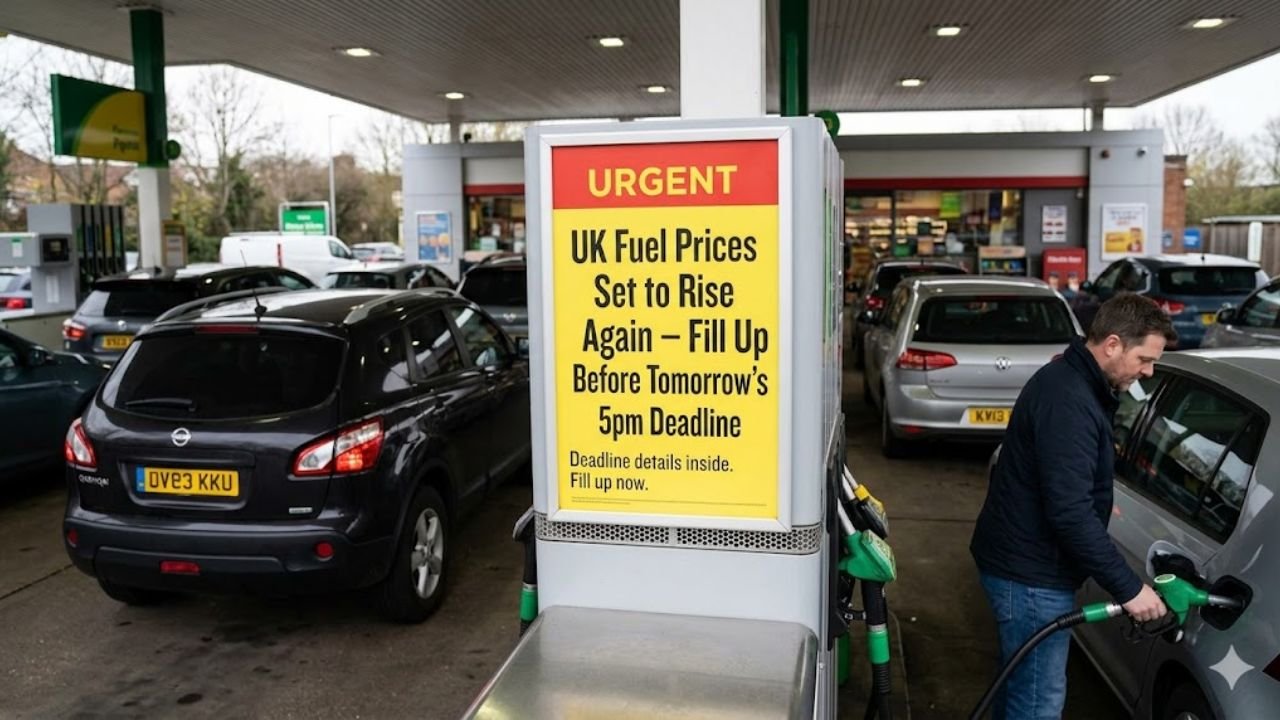
With little time to cope with the changes, buyers on the United Kingdom motoring shopping have two concerns. First, with the current conflict between Russia and Ukraine, the global supply chain has been severely hindered and the increased wholesale supply has exacerbated the price crisis. Second, behavioral analysts have stated that pricing changes will take effect as early as tomorrow, and average consumers have no time to spare. With the average global motoring landscape, consumers will experience unprecedented price increases with the average price of petrol and diesel likely to increase significantly and exacerbating the risks of Perth consumers. fumping consumers will have to purchase and lock in current pricing, as more and more consumers will purchase and cause the price increase to be even greater. As the typical value of fuel increases, consumers will need to be paying much more, and for the average commuting consumer, ensuring you get the value of your fuel will become increasingly important.
Volatility in the 2026 Fuel Market
Geopolitical Middle East conflicts and large increases in the wholesale prices that fuel retailers cannot absorb have created extreme volatility in the UK fuel market. Throughout March and early April 2026, the extremely negative gap gets narrower where the suppliers of refined fuel and the retailers of refined fuel. Historically, the fuel retail market follows a ‘rocket and feather’ pricing strategy, where the prices quickly shoot up in response to the increases in wholesale fuel prices but they slowly drift down when there are decreases in fuel wholesale prices. Today, the prices are in the ‘rocket’ phase of this cycle. With the averages of diesel prices of 183p and petrol prices of more than 153p in the USA, the restocking is expected to rise these prices of fuel.
Pricing trends can offer some insight into the details driving the trends. While the government has decided to push the 5p fuel duty cut out to the end of August 2026, the cut does little to offset the impact of the price of Brent Crude oil, which has sat near $100 for most of the month. Additionally, because the VAT is charged as a percentage of the total price, as the price of fuel increases, the amount of VAT increases, creating a “tax on a tax” scenario. This layering of costs has a compounding effect that ultimately hits consumers the hardest. Below we provide a detailed comparison of costs that illustrate the current state of the market and the changes from last month.
| Fuel Type | March 2026 Average (ppl) | Current Week Average (ppl) | Projected Post-5pm Price (ppl) |
| Unleaded (E10) | 140.3p | 153.7p | 157.5p+ |
| Super Unleaded | 158.2p | 171.4p | 175.0p+ |
| Diesel (B7) | 158.8p | 184.2p | 192.0p+ |
| Premium Diesel | 172.5p | 196.8p | 204.0p+ |
The Impact on Households and Logistics
The British public views this as an increased price that adds to an already full cost of living crisis. Families, who have to use their cars to drive children to and from school and go to work, have to spend their limited disposable income more frequently just to fill their tanks. Logistics companies and haulage firms face this challenge as well because their margins are determined by the price of diesel. Although some of the larger supermarket chains have tried to ‘maintain price leader status’ by not increasing their prices in line with rising costs, energy experts agree that by 5pm tomorrow they will have exhausted their reserves. Therefore, motoring organisations agree that the best course of action is to fill your tank in advance as the prices will be increasing and the pumps will be updated to show the new charges.
Long-Term Predictions and Possible Government Action
It is tough to predict how the road conditions will be for customers driving in the UK in the future. Starting September 2026, the government will begin phasing out the 5p duty cut, meaning the “floor” for prices of fuel will increase and prices will not drop, regardless of the conditions of the global oil market. There are calls for clarification on retail margin pricing from the Road’s Aggregated Content (RAC) and Automobile Association (AA) as the worldwide demand for fossil fuels shifts with the adoption of electric vehicles (EVs). Currently, the only thing on the mind of the customer is the immediate concern at hand. If customers decide to take action before the end of the evening rush tomorrow, they will be able to insulate themselves, temporarily at least, from the most recent round of inflation that has struck the UK’s service stations.
FAQs
Q1 What is the reason for the price increase at exactly 5pm?
Pricing updates are done at 5pm to coincide as closely as possible with most fuel retailers, as well as most fuel station supermarkets, are in the process of adjusting their prices for the next day’s sales to reflect the latest wholesale delivery costs.
Q2 Which is better, supermarket fuel or branded forecourts?
As prices are increased, branded stations often raise their prices 12 to 24 hours later than supermarkets, but in 2026 that gap is expected to close quickly.
Q3 After this weekend, will the price of fuel decrease?
The current political climate and tight global supply lead most analysts to predict that fuel prices will remain high until the end of this spring.