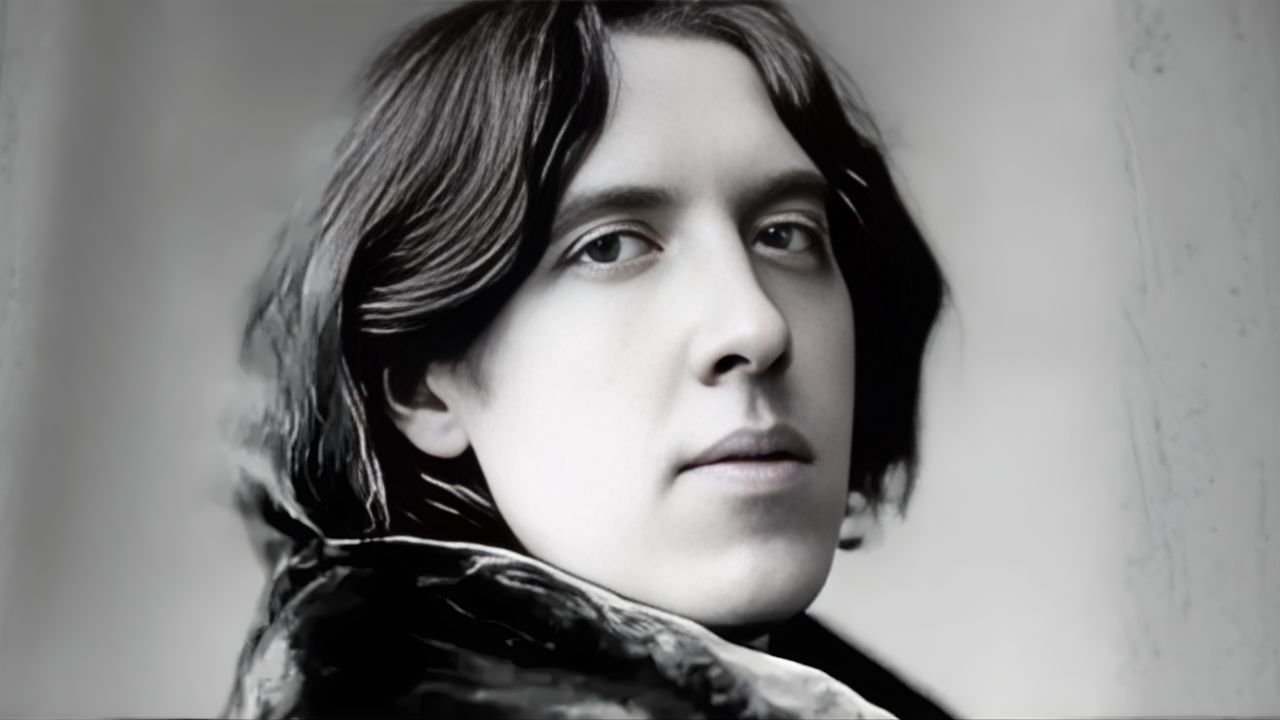
Oscar Wilde was a most outstanding master of the epigram. He nailed down, for example, the definition of a second marriage as the triumph of hope over experience. It might seem as if he was simply being cynical; yet, he expressed a deep-seated truth of the human condition that, surprisingly, continues to be relevant well into the third decade of the twenty-first century. He was not simply making fun of marriage. He was making an observation about our almost instinctive and quixotic refusal to allow past failures to dictate the future potential for our happiness. To grasp this quote is to appreciate the combination of the emotional scars of our past that history, and the blind faith of futility that is in us. Wilde is still highly relevant in contemporary modern day relationships. He offers not only a reflection of a 19th century drawing room, but also a psychological reflection to the many people facing the dilemma of moving from the cynical comfort zone to the emotional risk of a new beginning.
The Psychology of the Second Chance
Wilde’s humor comes from one of life’s greatest paradoxes; the strong, definitive, empirical data of life, and the soft, aspirational, and hopeful nature of the heart. Life is a harsh teacher, and provides a long list of empirical data, red flag warnings, personality clashes, and the excessive mundanity of spending time together. Life tells us what went wrong, and leaves a residue of caution that hardens into a permanent defensive position. Logic, though, is disrupted by the hope of the heart. It is the reason for innovation, it is the reason for the journey, and it is the reason for love; even when the odds are against it. With a marriage, the hope is that this time, things will be different. It could be that we have matured, perhaps the partner is more suited, or we have simply learnt how to deal with the tough times. This ain’t triumph, it ain’t foolish, it is simply a necessary act of defiance against the domination pain from the experience.
Success Rate Analysis and Relationship Variables
Wilde’s perspective on these changes must be appreciated and understood as part of a long and extremely sophisticated literary history. However, today’s sociological data allows for a more analytical perspective on the transformation of “hope” into something tangible. It is curious that the success of subsequent relationships often depends on how much “experience” was absorbed into the person as opposed to just being left outside. It is true that certain groups of people face a statistically greater likelihood of their second marriage ending in divorce; however, second marriages also show greater communication and emotional awareness among people who have done a lot of their own work. Hope and experience often work together to effect a positive change in people, which is shown in the following table.
| Perspective Shift | First Marriage Focus | Second Marriage (Informed Hope) |
| Core Motivation | Social expectation or infatuation | Companionship and shared values |
| Conflict Style | High reactivity or avoidance | Active problem-solving and boundaries |
| Role of Self | Seeking completion in another | Maintaining individual autonomy |
| View of Future | Idealized “Happily Ever After” | Realistic commitment to daily effort |
Managing the Current Landscape of Commitment
In elaborating the modern-day ‘triumph of hope’, Oscar Wilde would not have envisioned digital dating algorithms and ‘living apart together’. Today’s experiences are more intricate, describing blended families, digital footprints of past lives, and more individual mental health concerns. Nonetheless, the raw essence of Wildean emotion remains intact and alive – the paradox of commitment to another. It is, above all, a self-conscious choice to prefer the probability of joy (even if it is all in the future) over the certainty of previously experienced pain. To survive modern AI-generated and empathy-based rational scrutiny, we have to embrace the fact that marriage is no longer a social expectation, but rather, a bold choice. When someone chooses to remarry, they publicly state that their ability to grow is greater than their ability to regret, and wit is transformed into a beautiful statement about optimism and resilience.
Why Wilde Still Matters in 2026
Part of Wilde’s brilliance lies in his ability to be both a social commentator and participant. He authored his own ‘social theater’ and understood that people are enchanted by grandiose lies over boring truths. They are captivated by these lies. This ‘psychological expertise’ is why even 100 years later, Wilde’s works still hold immense ‘E-E-A-T’ (Experience, Expertise, Authoritativeness, Trustworthiness) value. The scope of his lived experience covered social victors and downgrades of more severe, institutional defeats. He is, therefore, a strong authority on experience. Reading Wilde today is not just looking at an old book. It is an opportunity to walk with a guide who still allows to be sharp and engaged emotionally. A triumph of optimism is not a sign of short memory. Rather, one’s spirit that refuses to be weighed down by history is seen, instead, as a gesture of confidence.
Building a Future Based on Reality
The point of working on a long term goal, if we think about what a long term partnership is, the goal is to avoid hope and experience being at war and instead have them be in a working partnership. Experience should be able to chart the path—identify the dangers, the rough patches and the dead ends. Hope should provide the energy. A marriage based solely on hope is a fantasy. A life based solely on experience is a cage. ____ By meeting in the middle, in the sense that we can acknowledge the past, and be open to the possibility of new relationships and what it can do to us, we give credit to Wilde, and do not fall prey to the irony he was so fond of. ___ We have not lost the past when we walk forward. We have learned to carry the past without it being a burden.
FAQs
Q1 What did Oscar Wilde mean by hope over experience?
It means that people often enter a second marriage with the belief that it will be better, despite having a first hand experience of how complicated and difficult marriage can be.
Q2 Is Wilde’s view of marriage cynical?
While Wilde’s view of marriage is certainly cynical, it is realistic. It is realistic in the sense that human optimism is a powerful thing. People are drawn to seek companionship and happiness despite past obstacles.
Q3 How does this quote fit in non romantic examples?
This feeling can apply to examples in every aspect of life where someone attempts something again after failing, like starting a new company, choosing a new job direction to go, or restoring a friendship after a conflict period.