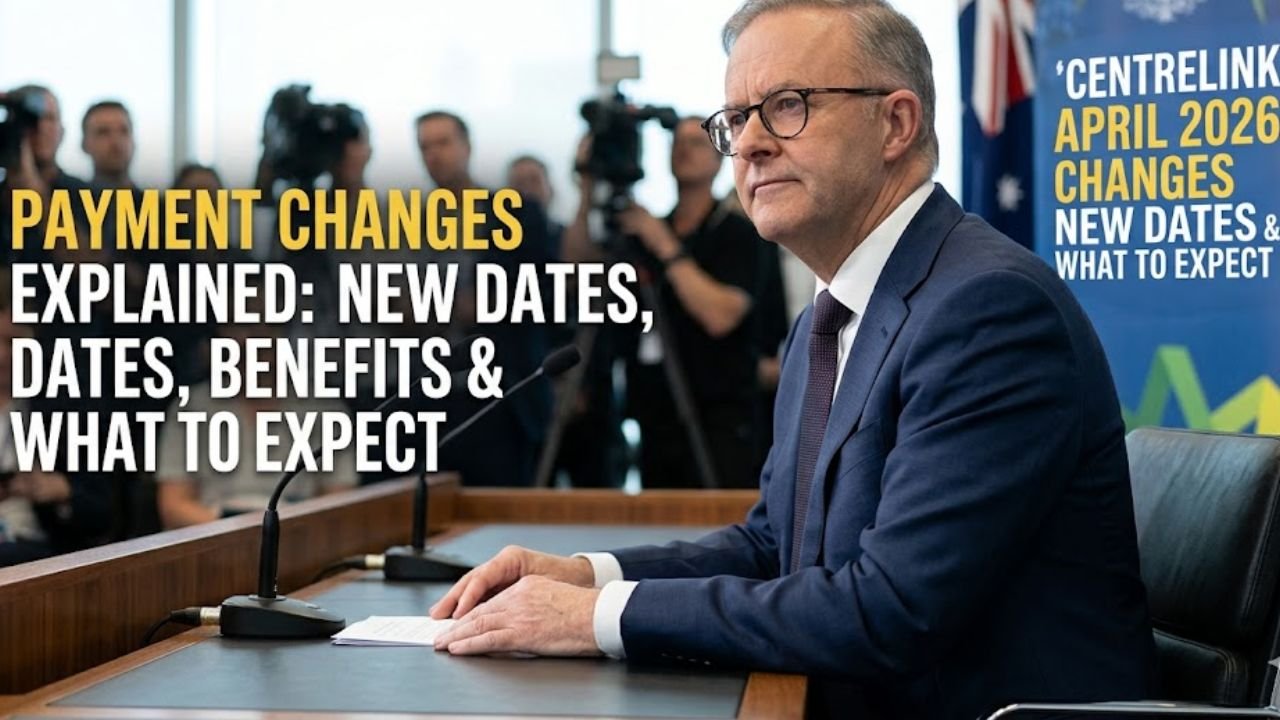
As we move into the second quarter of the year, several significant changes to Centrelink payments are taking effect. April 2026 is a particularly dense month for social security recipients in Australia, not just because of the ongoing impact of the March indexation, but also due to a cluster of public holidays that will disrupt regular reporting and payment cycles. For those relying on the Age Pension, JobSeeker, or Parenting Payments, understanding these shifts is essential for effective budgeting. The government has implemented these adjustments to ensure that the social safety net keeps pace with the cost of living, which remains a primary concern for households nationwide. This guide breaks down the updated benefit rates, new income thresholds, and the critical reporting dates you need to know to avoid payment delays.
Navigating the April 2026 Holiday Payment Schedule
One of the most immediate impacts this month comes from the 2026 Easter and Anzac Day calendar. With Good Friday falling on April 3 and Easter Monday on April 6, many recipients will find their usual reporting dates moved forward. Furthermore, Anzac Day falls on Saturday, April 25, with an additional public holiday observed on Monday, April 27 in most states. When Centrelink offices and banks are closed, payments are typically released earlier than usual. If your reporting date falls on a public holiday, you will likely need to report your earnings a day or two earlier. While receiving money ahead of schedule can feel like a bonus, it is vital to remember that this must last until your next regular payment cycle, which may then feel longer than usual.
Updated Fortnightly Rates and Indexation Benefits
The indexation that officially commenced on March 20, 2026, is now fully reflected in the April payment cycles. This adjustment, driven primarily by the Consumer Price Index (CPI), has seen a noticeable lift in the maximum rates for pensions and allowances. Single pensioners are seeing an increase of approximately $22.20 per fortnight, bringing the total maximum payment (including supplements) to roughly $1,200.90. Couples have also seen a combined increase of $33.40. These boosts are designed to provide a buffer against inflation, particularly in the sectors of groceries and utilities. For younger Australians and students, the Youth Allowance and Austudy rates have also been scaled upward to help manage the rising costs of housing and education.
| Payment Type | Single (Max Per Fortnight) | Couple (Each – Max Per Fortnight) |
| Age Pension / DSP / Carer | $1,200.90 | $905.20 |
| JobSeeker Payment | $785.40 | $716.30 |
| Parenting Payment (Single) | $1,012.30 | N/A |
| Youth Allowance (Away from Home) | $684.20 | $684.20 |
| Carer Allowance | $162.60 | N/A |
Changes to Deeming Rates and Income Testing
April 2026 marks a turning point for self-funded retirees and part-pensioners as the freeze on deeming rates has officially thawed. Following recommendations from the Australian Government Actuary, deeming rates have been adjusted to better reflect the current interest rate environment. The lower deeming rate has moved to 1.25% for assets under the threshold, while the upper rate has increased to 3.25%. While this may slightly reduce the pension amount for those with significant financial investments, the government maintains that these rates remain well below historical averages and current market returns. Simultaneously, income and asset test thresholds have been widened, meaning some individuals who were previously ineligible for a part-payment may now find they qualify for a small fortnightly supplement and the associated concession cards.
Managing Your Obligations and Digital Reporting
To ensure a smooth transition through these changes, Services Australia encourages all recipients to use the Express Plus Centrelink mobile app or their MyGov account. During the busy April period, digital reporting is the most reliable way to confirm your income and ensure your payment is processed on time. If you are reporting early due to the public holidays, you must provide an estimate of your earnings for the remainder of the period. If your actual earnings differ from your estimate, you are required to update your details as soon as possible to avoid overpayments or future debts. Staying proactive with your digital profile is the best way to navigate the 2026 updates without the need for lengthy phone calls or office visits.
Future Outlook and Cost of Living Support
Looking beyond April, the federal government has signaled that further reviews of the social security system may be on the horizon as part of the next budget cycle. The focus remains on “targeted relief,” which includes not just direct cash transfers but also indirect support such as increased Commonwealth Rent Assistance and cheaper PBS medicines. For many, the April increases are a welcome relief, but the volatility of the global economy means that staying informed is more important than ever. By keeping track of your specific payment dates and understanding how the new deeming rates affect your personal circumstances, you can better manage your financial health throughout the remainder of 2026.
FAQs
Q1 Will my payment be late because of the Easter public holidays?
No, Centrelink typically pays recipients earlier rather than later when a public holiday interferes with the normal schedule. Check your MyGov inbox for a specific notification regarding your early reporting date.
Q2 Do I need to apply for the new 2026 indexation rates?
No, the increases are applied automatically to your account. You do not need to contact Services Australia to receive the updated fortnightly amount.
Q3 How do the new deeming rates affect my part-pension?
The increase in deeming rates to 1.25% and 3.25% means Centrelink may assume your investments are earning more income than before. This could lead to a small reduction in your pension if your income is close to the threshold.