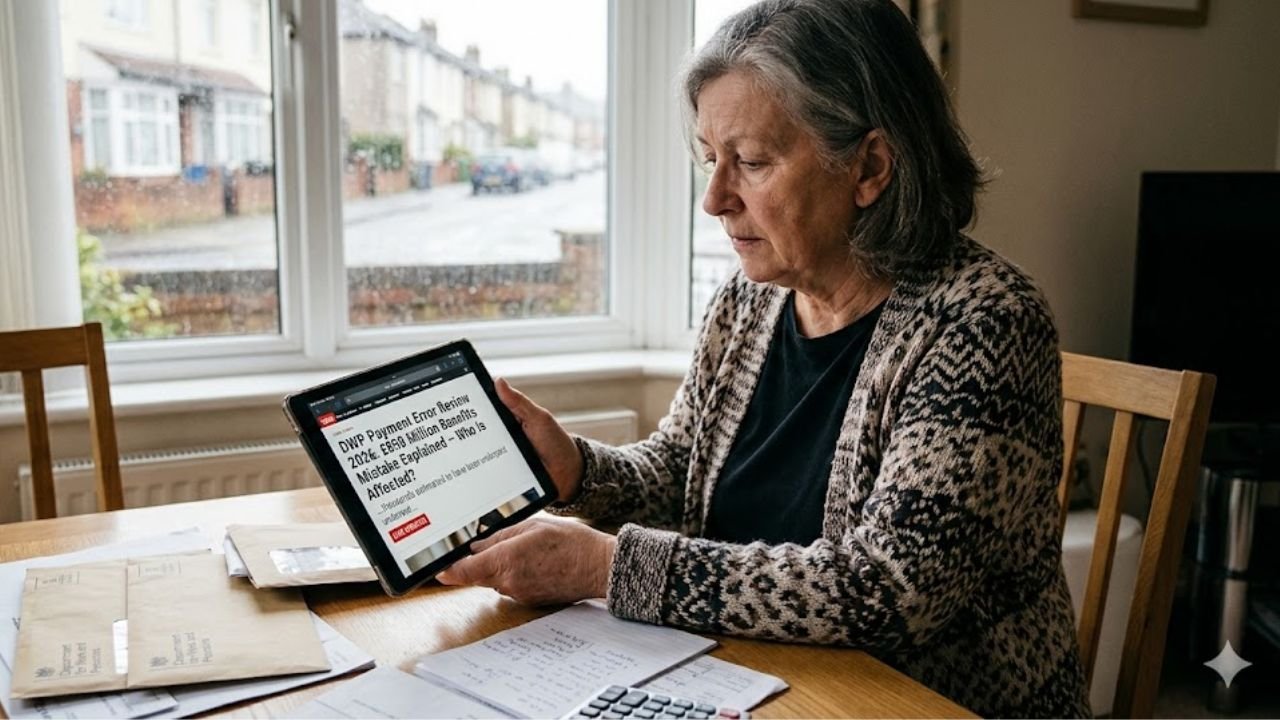
The Department for Work and Pensions (DWP) is currently navigating a period of intense public and political scrutiny following the release of the Payment Error Review 2026. This comprehensive audit has uncovered a staggering £850 million in benefit payments issued incorrectly to claimants who had already passed away. While the UK’s welfare system is a massive undertaking, managing over £300 billion in annual expenditure, the scale of this specific administrative oversight has raised fundamental questions about the efficiency of government data sharing. The review highlights that since 2021, approximately 2.6 million individual payment errors have occurred, illustrating a systemic struggle to maintain real-time accuracy within one of the state’s most critical financial branches.
Understanding Who Is Affected by the Payment Errors
The impact of these errors is remarkably broad, spanning several types of welfare support. Primarily, the £850 million figure refers to “official error” overpayments—money sent out because the DWP was either not notified of a death in time or failed to act on a notification before the payment cycle was triggered. The review clarifies that a significant portion of these mistakes involved State Pension payments, out-of-work benefits, and mental health-related support. Additionally, specific issues have been identified with the Winter Fuel Payment, where nearly 83,000 deceased individuals were sent funds because their eligibility was confirmed in September, but they passed away before the winter distribution date. Families of the deceased often find themselves in a difficult position, as the DWP is legally obligated to attempt the recovery of these funds, which may have already been absorbed into estate settlements or used to cover funeral costs.
DWP 2026 Error Review: Key Statistics at a Glance
| Category of Data | Statistical Figure |
| Total benefits paid to deceased claimants | £850 Million |
| Total overpayments (Fraud + Error) in 2026 | £9.5 Billion |
| Estimated number of payment errors since 2021 | 2.6 Million |
| Winter Fuel Payments sent to deceased recipients | £27 Million |
| Current recovery rate of deceased overpayments | Less than 50% |
Why the System Failed to Stop These Payments
The root of this £850 million mistake lies in the “data lag” between various government departments. While the “Tell Us Once” service is designed to allow citizens to report a death to all government agencies simultaneously, administrative delays still persist. In many instances, the DWP’s automated payment systems operate on cycles that are locked in days or even weeks in advance. If a death is registered shortly before a payment date, the system may lack the agility to halt the transaction. Furthermore, the 2026 review pointed to complications involving claimants who move into care homes or spend more than 28 days in a hospital. In these cases, benefits like Personal Independence Payment (PIP) or Disability Living Allowance (DLA) are supposed to be suspended, yet the lack of integration between the NHS and DWP systems often leads to continued, unauthorized payments.
The Government’s Strategy for Recovery and Reform
In response to the mounting pressure from the Public Accounts Committee, the DWP has launched an aggressive strategy to reclaim the lost funds and modernize its infrastructure. Ministers have emphasized that it is their “policy to recover all debt where it is reasonable and cost-effective to do so.” However, with less than half of the £850 million recovered so far, the administrative cost of chasing small individual amounts often exceeds the value of the debt itself. To prevent future occurrences, the government is moving toward a more proactive “bank account check” system. Under the Public Authorities (Fraud, Error and Recovery) Act 2025, the DWP now has enhanced powers to request data from financial institutions to verify claimant status. This is being paired with a new online self-service portal for PIP claimants, though experts warn that without careful oversight, more automation could potentially lead to a fresh wave of processing errors.
The Broader Context of Welfare Fraud and Official Error
It is essential to distinguish between the £850 million lost to administrative errors and the much larger figure of £9.5 billion lost to total overpayments in 2026. While “official error”—mistakes made by the DWP itself—is the focus of the current outcry, over two-thirds of the total loss is attributed to fraud, with the remainder caused by claimant error. This distinction is vital for taxpayers to understand; the DWP is fighting a two-front war against both external criminal activity and internal process failures. As the government aims to reduce the overpayment rate to 2.8% by 2028, the 2026 review serves as a sobering reminder that even the most well-funded departments can suffer from “losing their grip” on basic administration. For the average citizen, this review underscores the importance of prompt reporting of any change in circumstances to avoid the stress of future debt recovery actions.
FAQs
Q1 What should I do if a deceased relative receives a DWP payment?
You should notify the DWP immediately through the “Tell Us Once” service or by contacting the specific benefit office. It is advisable not to spend the money, as the DWP will likely issue a formal request for repayment once the records are updated.
Q2 Will the DWP automatically take money back from bank accounts?
Under new 2025 legislation, the DWP has the power to recover overpaid funds directly from accounts in certain circumstances without a court order, though they typically prefer to arrange a voluntary repayment plan with the executor of an estate first.
Q3 Does this review affect my current benefit or pension rates?
No, the Payment Error Review focuses on correcting past mistakes and improving system accuracy. It does not change the standard eligibility criteria or the payment rates for those currently receiving their correct entitlements.